01
Learn.
Evaluate patterns in your data.
Machine learning integration and predictive analytics for a defined operational question, evaluated against representative data.
- Machine Learning Integration
- Predictive Analytics
Machine learning, computer vision and language processing for defined operational tasks. Explore predictive analytics, automation and edge deployment against the data and constraints you actually have.
01 / Applied AI capabilities
Machine learning integration and predictive analytics for a defined operational question, evaluated against representative data.
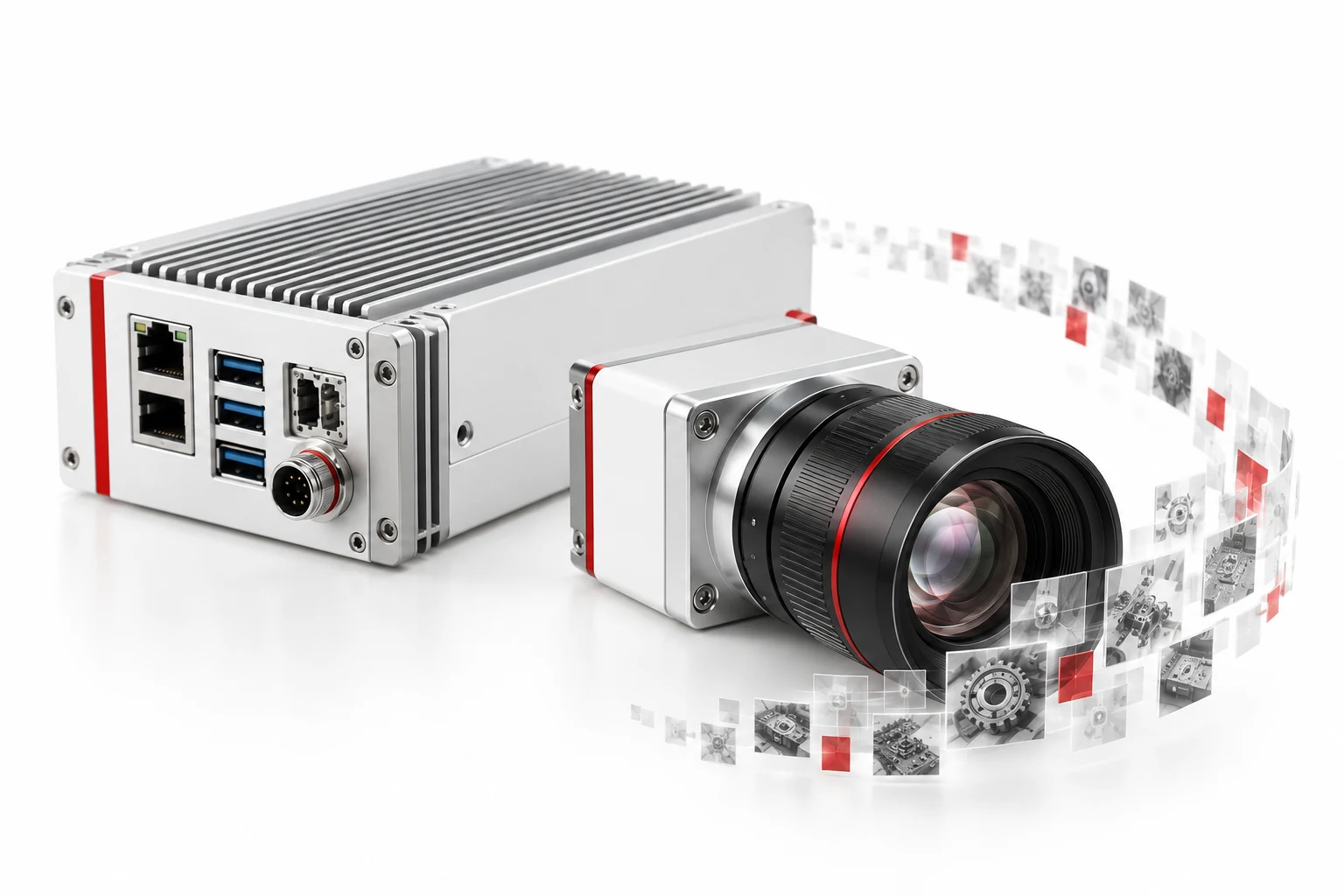
Computer vision and natural language processing for tasks such as interpreting images or extracting information from text.
AI-powered automation and edge implementation, with device resources, response time and connectivity considered in the deployment scope.
02 / Evaluating an AI use case
Define the prediction, detection or language task. Agree what a useful result looks like and which errors would make it unsuitable.
Examine representative inputs, labels and gaps. Discuss privacy, operating conditions and whether processing belongs at the edge or elsewhere in the system.
Compare outputs with the agreed criteria using representative examples. Examine missed detections, false alerts and uncertain results before automating decisions.
Connect the chosen approach to the workflow or edge device. Plan how people review outputs and how changing inputs or performance will be monitored.
03 / Assess the use case
Describe the task, available data and consequence of an incorrect result. Tell us whether it involves images, text or sensor readings, and any device, latency or connectivity constraints.
Continue exploring